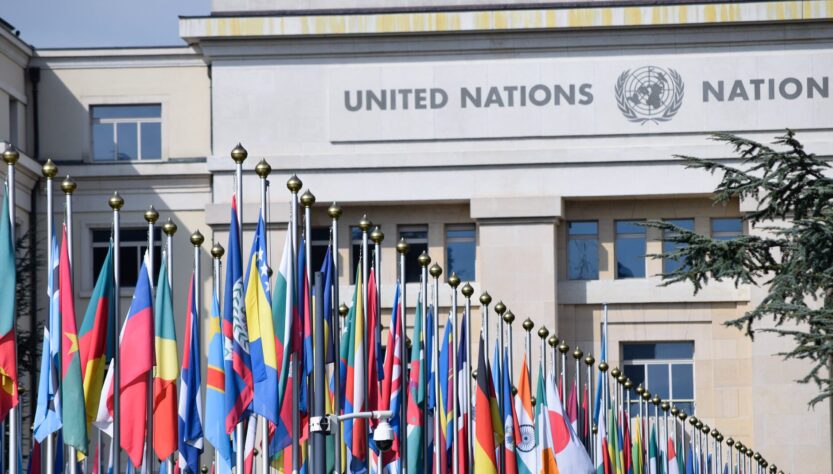
India UNSC bid is a significant topic as it explores the support and opposition surrounding India’s quest for a permanent seat at the UN Security Council.
Overview of India’s UNSC Bid
India’s bid for a permanent seat on the United Nations Security Council (UNSC) has garnered significant attention, reflecting the nation’s aspirations on the global stage. The call for reform in the UNSC has been a topic of discussion among member states, with India positioning itself as a leading candidate due to its growing economic and political influence.
Supporters of India’s UNSC bid argue that the current structure no longer reflects the geopolitical realities of the 21st century. They emphasize that India’s large population, democratic governance, and contributions to UN peacekeeping missions make it a deserving candidate. Key allies, including the United States and several European nations, have expressed support for India’s aspirations.
However, there are also opponents to India’s bid, including countries like Pakistan and China, which have raised concerns over regional tensions and India’s policies. The debate continues as nations weigh the implications of India’s potential permanent membership.
Acquiring a permanent seat would not only elevate India’s status but also allow it to play a more significant role in global decision-making. As discussions progress, the spotlight remains on the significance of India’s UNSC bid and its impact on international relations.
Supporters of India’s Permanent Seat
India’s bid for a permanent seat at the United Nations Security Council (UNSC) has garnered significant support from various nations and organizations. Advocates argue that India’s growing economy, democratic values, and strategic importance make it a deserving candidate for this prestigious position.
Key supporters of India’s UNSC bid include:
- United States: The U.S. has expressed backing for India’s inclusion, emphasizing the need for a reformed UNSC that reflects current geopolitical realities.
- France: France has consistently supported India’s claim, citing its contributions to global peacekeeping and counter-terrorism efforts.
- Russia: Russia has also shown favorable sentiments towards India’s bid, advocating for a more inclusive Security Council.
- Japan: As a fellow aspirant for a permanent seat, Japan sees India’s inclusion as a step towards a more balanced representation in the UNSC.
- Brazil: Brazil shares similar aspirations, aligning with India’s vision for a reformed Security Council.
These endorsements highlight a growing consensus among major powers regarding the necessity of India’s permanent seat, which is seen as vital for a more equitable global governance system.
Opposition to India’s UNSC Bid
While India’s bid for a permanent seat on the United Nations Security Council (UNSC) has garnered significant support, it has also faced notable opposition from various quarters. Critics argue that India’s accession to the UNSC as a permanent member may not guarantee the immediate reform of the Council itself.
Some of the primary concerns surrounding India’s UNSC bid include:
- Regional Rivalries: Countries like Pakistan and China have consistently expressed their opposition, citing regional power dynamics and security concerns.
- Democratic Credentials: Detractors question India’s democratic practices, particularly regarding human rights issues, suggesting these may undermine its claim to a permanent seat.
- Global Representation: Some nations argue that India’s inclusion might divert attention from other emerging powers that also seek a voice in global governance.
- Structural Inertia: There is skepticism about whether granting India a permanent seat would lead to meaningful changes in the UNSC’s functioning, with critics emphasizing the need for comprehensive reform rather than just an increase in the number of permanent members.
As discussions continue, the debate over India’s UNSC bid remains heated, reflecting the complexities of international politics.
Implications of a Permanent Seat for India
The implications of a permanent seat for India in the United Nations Security Council (UNSC) are multifaceted and significant. A successful bid would not only elevate India’s status on the global stage but also enhance its influence in international decision-making processes.
One of the primary benefits would be the ability to shape outcomes on critical issues such as peacekeeping, counter-terrorism, and climate change. As a permanent member, India would have greater leverage in addressing regional security concerns, particularly in South Asia.
Moreover, a permanent seat would symbolize recognition of India’s growing economic and military capabilities. It would validate India’s contributions to global governance and international peace efforts, reinforcing its role as a key player in multilateral negotiations.
However, the implications also extend to India’s diplomatic relations. With a seat at the table, India would be expected to align its policies with broader global agendas, which may require balancing national interests with international expectations.
In summary, India’s UNSC bid represents not just a quest for a permanent seat, but a strategic move that could redefine its foreign policy and enhance its standing in the international community.
The India UNSC bid reflects the nation’s growing influence on the global stage. As discussions continue, the significance of the India UNSC bid becomes increasingly evident in shaping international diplomatic dynamics.
Photo by Xabi Oregi on Pexels
References
You might also like
Apple settlement payout: Is it worth your time? · Trump White House pool ban: The Worst Impact on Media Access · Ranvir Shorey slams Modi’s mimicry: A clear critique